

You’ve navigated the acquisition — now your task is to make it a success by learning how to protect SEO’s performance during the merger. Here, WebFX shares an eight-step process.
Acquiring a brand doesn’t mean absorbing its website. There are plenty of organizations that maintain separate websites for their brands because that approach makes the most business — and SEO — sense.
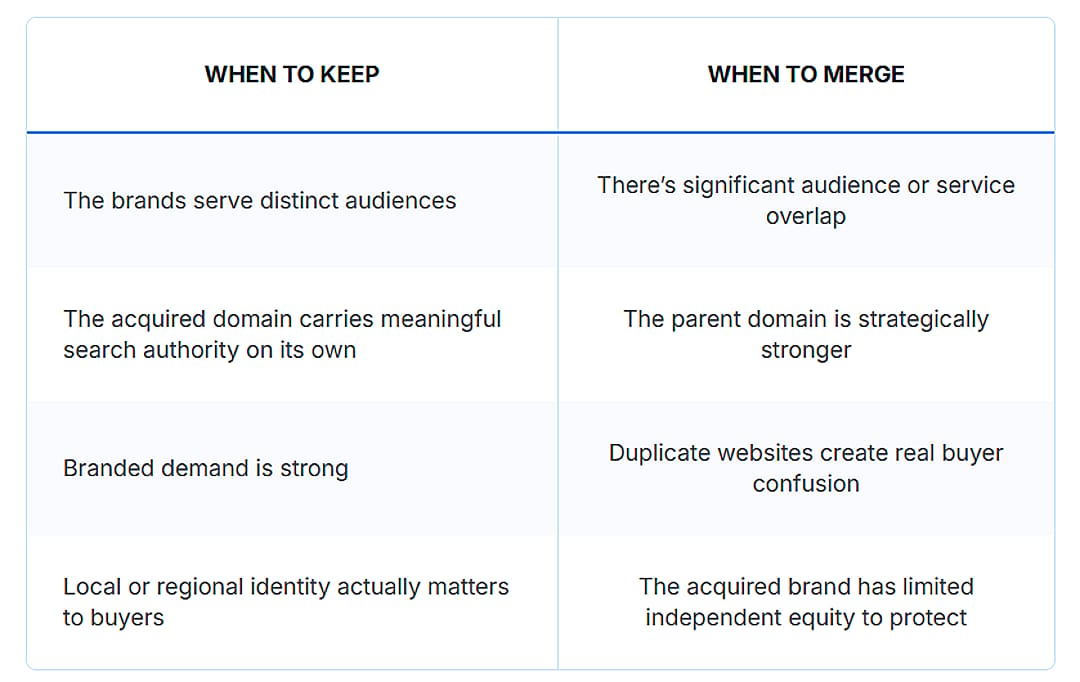
A brand consolidation and domain consolidation don’t have to happen on the same day. The businesses can operate under one name in the market while the underlying websites stay separate until the SEO case for merging them is actually clear.
Acquisitions bring multiple change options, including:
The risk, though, is this flurry of changes can not only impact your acquired brand’s SEO but also affect your ability to pinpoint performance issues resulting from any of these changes.
That’s why Google recommends to “plan your changes to your site one after the other, not everything at the same time. For example, if you want to move your site to a new domain name, change your content management system (CMS), and update your site to use a new layout, do them one at a time: move to a new domain, then change your site’s layout.”
Work with your team to decide which changes need to happen and when. Use that information to build a timeline for executing these updates and educate leadership on your recommendations.
No matter your decision on whether to migrate your acquired website or wait, you’ll still want to measure the acquired company’s SEO performance upon acquisition.
Get started by evaluating the following areas:
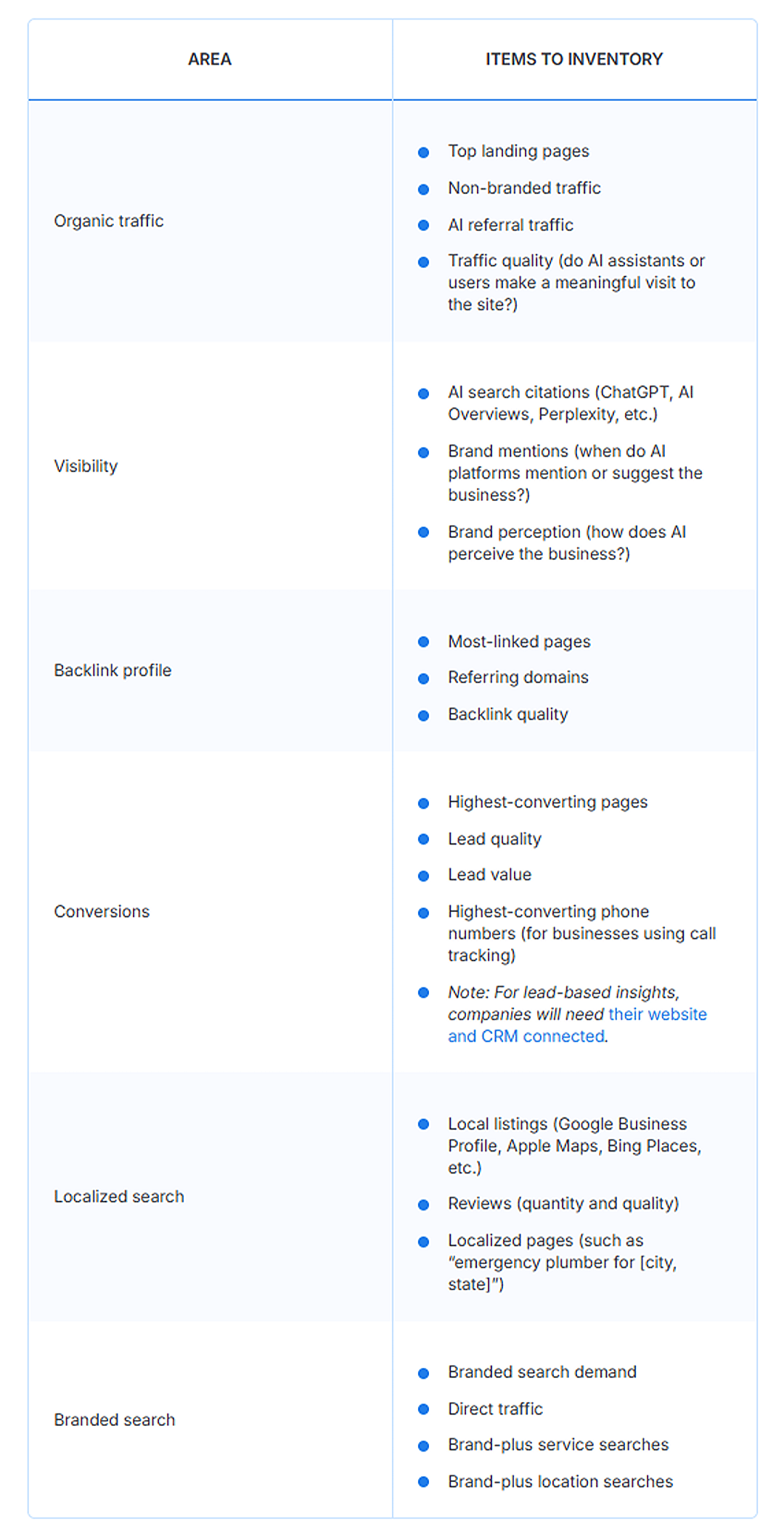
The above views stop your business from basing success on a single metric, like backlinks or traffic. As an example, a page with low traffic but high revenue may be more important to preserve than a page with high traffic and no business impact.
Score every important URL or content asset into one of four buckets before touching anything.
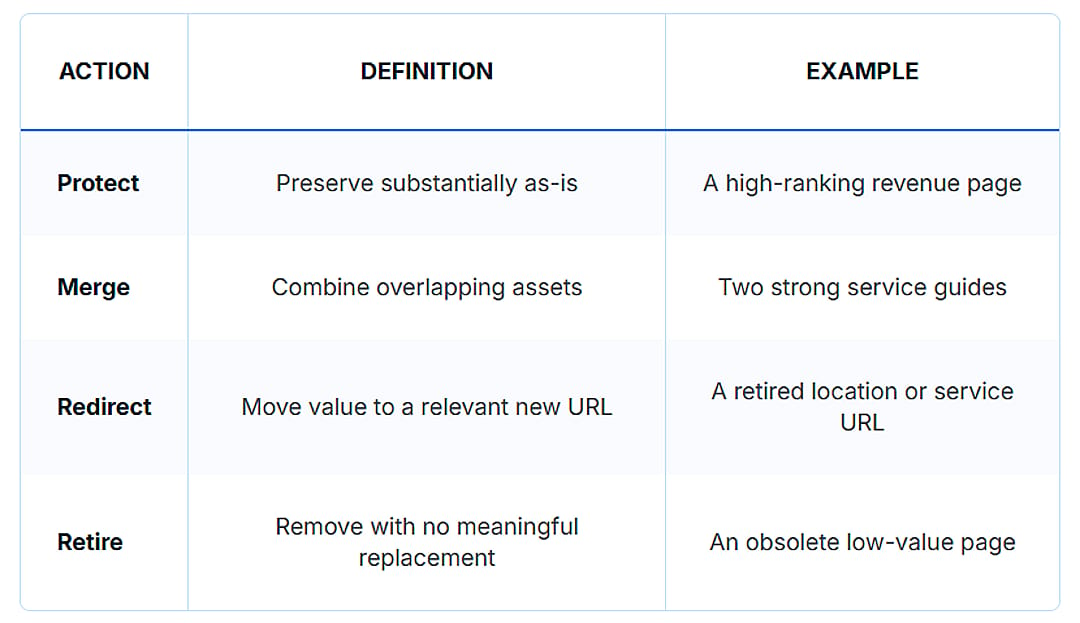
In short:
Next, document what performance looks like today by cataloging the following:
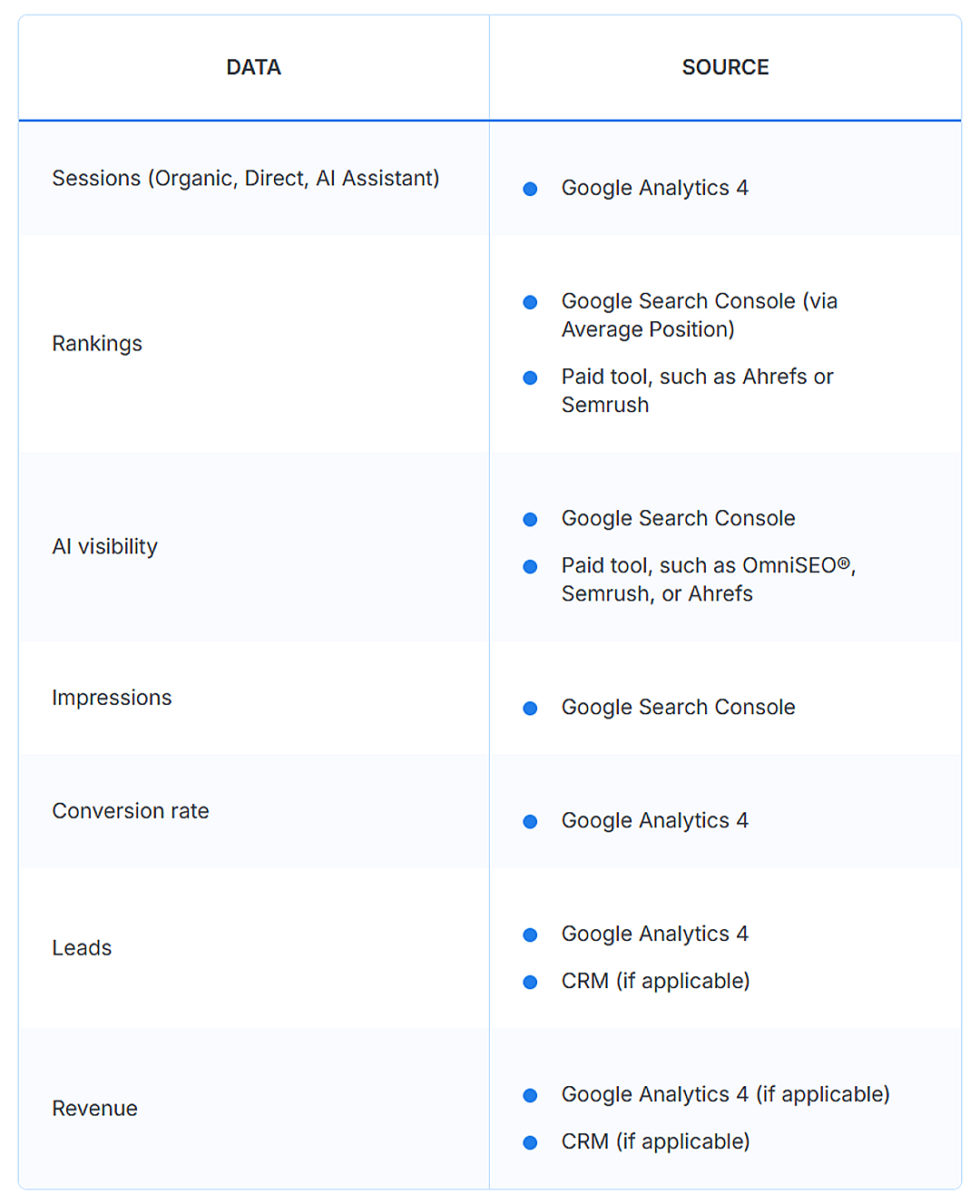
You should also document the following information:
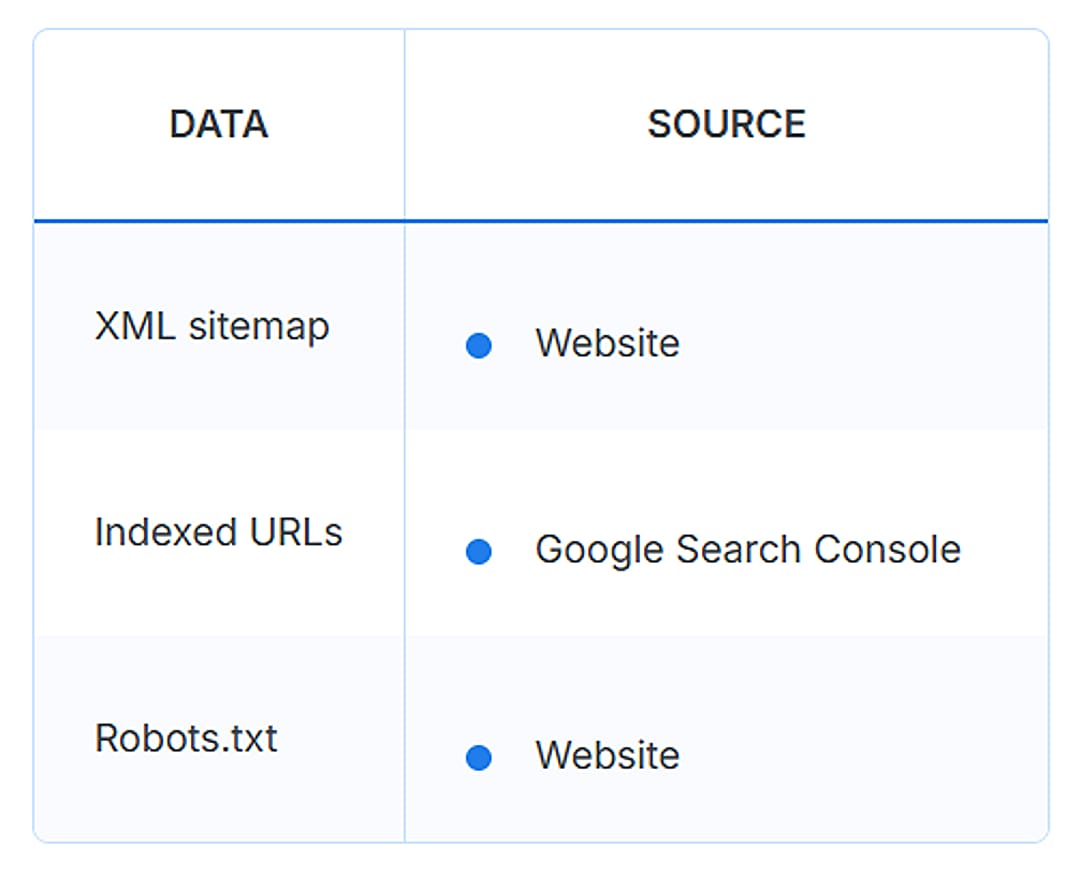
You can’t prove you protected performance if you never documented what performance looked like before the move.
From there, build a one-to-one migration map for every URL:
While planning redirect targets, keep in mind redirect loops and redirect chains. Both can affect your SEO’s performance during the site merger or acquisition.
This step is where website migration SEO succeeds or fails in practice, since a sloppy map undoes everything the earlier audit found.
Prioritize high-traffic, high-ranking, lead-generating, revenue-generating, and heavily backlinked URLs first, along with location pages.
Avoid mapping an old URL straight to the homepage unless the homepage genuinely is the closest replacement. Google’s own site-move guidance recommends preparing an accurate URL map before any redirects go live.
For the general mechanics of before, during, and after a site migration, the same core process applies here, just with the acquisition-specific asset inventory layered on top.
Migration Checklist
In almost all instances, businesses will use a 301 redirect for migrating an acquired domain to their parent or sister domain. 301s are a permanent redirect and tell search engines the page has a new address.
When it comes to a 301 redirect’s impact on SEO, Google states that a 301 redirect (or other permanent redirects) does not cause a loss of PageRank. However, the redirect’s relevance, content quality, and technical implementation still matter.
Redirects should remain live for as long as possible. If there is a reason to remove the redirects, Google recommends waiting a year before removing them.
After launch, you’ll want to monitor the following across timeframes:
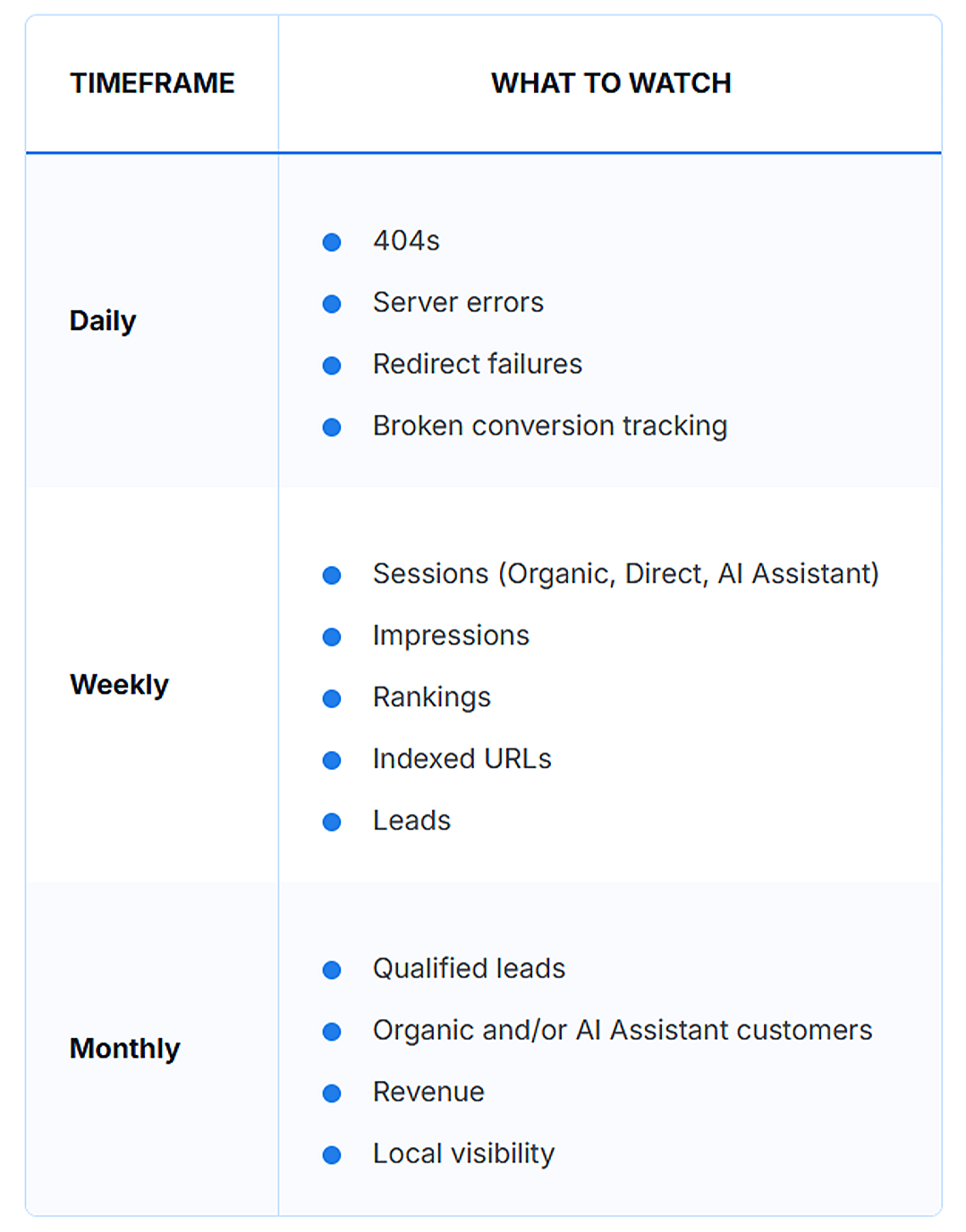
Don’t judge migration success on visibility alone. Follow the chain from visibility to traffic to leads to customers to revenue.
If rankings drop, diagnose before you react. Don’t start rewriting content or reversing decisions the moment volatility shows up. Work through this in order:
Some volatility is expected during a major move. Persistent losses deserve a systematic diagnosis, ahead of another round of uncontrolled changes layered on top of the first one. Not every asset deserves equal migration effort.
Weigh SEO value against change severity and reversibility:
Delay consolidation when SEO value hasn’t been audited yet, branded demand is still strong, the migration map isn’t ready, or teams can’t reliably track leads and revenue after launch. Being acquired isn’t a deadline for consolidating the domain.
Migration timing should follow readiness over ownership paperwork.
A few SEO elements get lost by accident more often than by decision during mergers and acquisitions:
The business goal is preserving the demand and revenue those rankings were already creating, beyond the rankings for their own sake.
This story was produced by WebFX and reviewed and distributed by Stacker.